

Defining A Blizzard – What It Is, How It Occurs, And The Dangers Associated With It
Defining A Blizzard – What It Is, How It Occurs, And The Dangers Associated With It
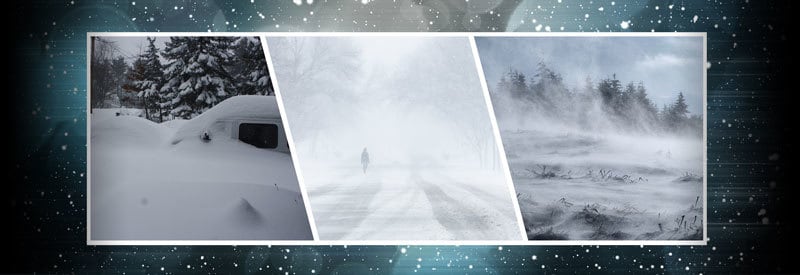
The term “Blizzard” is often loosely used to describe cold, stormy weather. However, an actual blizzard is such an extreme and dangerous meteorological event that it can be classified as a natural disaster.
The frequency of natural disasters is increasing every year at an alarming rate and doesn’t show any signs of slowing down. The majority of these events are directly or indirectly the result of weather conditions.
With so much attention given to other natural disasters like drought, flooding, and hurricanes, the dangers and impact of blizzards often get overlooked.
The main focus of this article will be on what a blizzard is, how it is formed, as well as the effects and consequences of this extreme event. We will also have a look at other natural disasters that are the result of weather activity.
What Is A Blizzard?
Before getting into the details of how a blizzard develops, all the variables involved, as well as the effects and influences of these intense storms, we first need to define what precisely a blizzard is:
Blizzard Definition
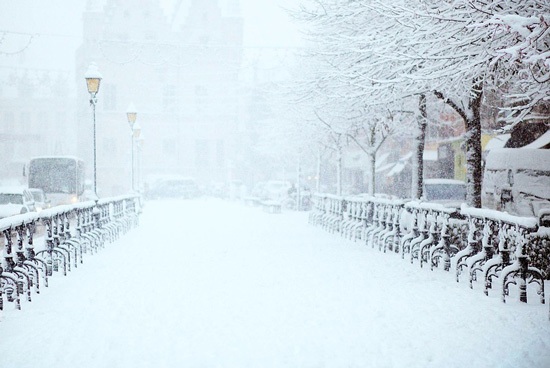
A blizzard is a powerful snowstorm characterized by heavy snowfall and strong winds. A storm is classified as a blizzard when visibility is limited to 400 meters (0.25 miles) or less, winds reach speeds of 56 km/h (35 mph) or more, and the storm lasts for a sustained period of at least three hours.
As the definition clearly illustrates, no matter how unpleasant & violent a heavy snowstorm may be, it will not necessarily be classified as a blizzard. The criteria required to declare a blizzard (intensity, wind speed, and duration) highlight just how devastating this event is.
As an indication of just how seriously a blizzard gets taken, your local or national weather service will only issue a “Blizzard Warning” when all three requirements are in place. To recap, they are:
-
- A wind speed of 56 km/h (35 mph) or more.
- Visibility is limited to 400 meters (0.25 miles) or less.
- The storm lasts for a minimum of three hours.
When only some of these requirements are in place, a weather bureau may issue a different winter weather alert instead of a “Blizzard Warning.”
Not all blizzards require snowfall to take place. A ground blizzard occurs when snow or ice already lying on the ground gets picked up by a strong wind and blasted across the surface to create complete whiteouts and freezing conditions.
How A Blizzard Forms
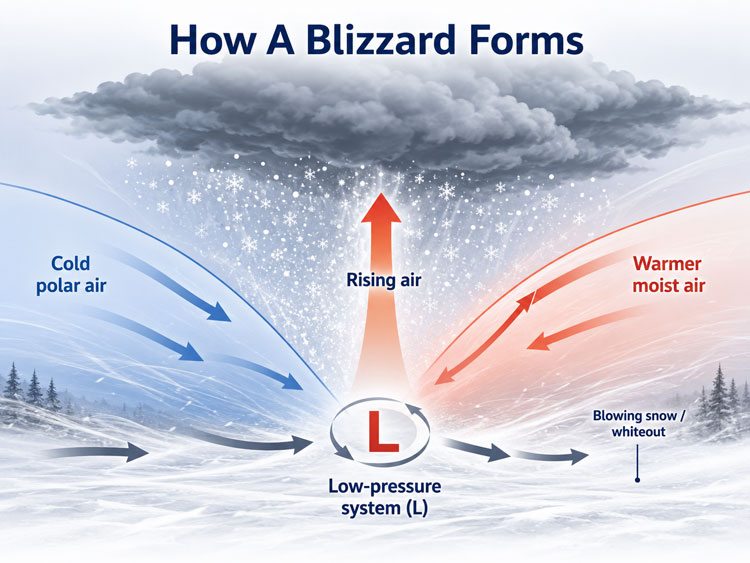
Diagram illustrating the formation of a blizzard.
A blizzard can take place almost anywhere when the conditions are right. However, these conditions typically occur in certain parts of the world, like Northern Europe and the northern United States, which are ideally situated for blizzard development.
Usually, the conditions needed for the creation of a blizzard are as follows:
-
- Warm moist air from the Tropics.
- Cold Air from the Polar Regions
- A strong low-pressure system
The elements needed can also occur on a more localized level. No matter what the scale, how a blizzard forms remains the same, which we will describe in the following paragraph.
Blizzards occur most often in the Northern Hemisphere, where the conditions are especially favorable for the development of this intense type of storm. As a result, the warm air usually originates from the south near the tropics, while the cold air comes from the north near the polar regions.

It starts with a low-pressure system that develops in the vicinity of warm, humid air and cold air masses. As it strengthens, it draws in the cold air from the north and the warm air from the south.
The air that is drawn in by the low-pressure cell rotates counterclockwise around the center of the system. When the two air masses come into contact, the cold and dense air is forced underneath the lighter warm and moist air.
As the humid air rises, it cools and condenses to form water droplets or ice crystals. Depending on the temperature profile of the air below, this moisture can fall as snow, ice pellets, or freezing rain, which, along with any snow and ice already on the ground, can then get picked up by the wind.
If the collision between the warm and cold air is strong enough, with a large difference in temperature between them, it can strengthen the low-pressure system even further, causing wind speeds to increase and create conditions favorable for the formation of a blizzard.
These conditions are often assisted by geographical features such as mountains or valleys, which can funnel and strengthen the wind speeds to help create blizzard conditions.
It is important to note that a blizzard can also occur on a local scale. For example, warm, moist air moving over a relatively warmer lake can pick up moisture, then come into contact with freezing air over land, where strong winds and low-pressure conditions can help create blizzard conditions.
Main Characteristics Of A Blizzard
Throughout this article, we have already touched on a number of characteristics that define a blizzard. To get a clearer picture, though, the following are the five primary characteristics of a blizzard:
1) Strong Winds
One of the main characteristics of a blizzard is its sustained high winds of at least 56 km/h (35 mph). These high winds can not only endanger human lives, but also damage infrastructure, as will be described in the following sections.
2) Severe Whiteouts
Another defining characteristic of a blizzard is that the blowing snow reduces horizontal visibility to less than 400 metres (0.25 miles). This can be so severe that in most cases, the horizon is completely obscured, creating dangerous conditions, especially for vehicles on a road.
3) Extended Duration
A third characteristic and requirement for an event to be defined as a blizzard is that the high winds and low visibility must persist for at least three consecutive hours. This adds the danger of slow response times by first responders in case of an emergency.
4) Blowing or Accumulating Snow
Even without the addition of any form of precipitation, blizzards like “ground blizzards” occur when high winds lift loose, existing snow pack into the air, which creates identical blinding conditions or whiteouts without a single new snowflake.
5) Extreme Wind Chill
One of the most extreme and dangerous characteristics of a blizzard is the combination of very cold temperatures and high wind speeds. This lethal combination can lead to frostbite on exposed skin in a very short time.
There are a number of other characteristics that are also synonymous with blizzards, but these five characteristics are what really define this phenomenon.
Effects Of A Blizzard
The effects of a blizzard can be widespread and devastating. Its biggest danger, though, is the speed at which it can develop. This endangers life and causes damage on a variety of fronts. Here are just a few examples:
1) Injury And Loss Of Life
The high speed at which snow and ice are blown around, combined with the wind chill effect, can put anyone caught outside when a blizzard hits in immediate danger. It can cause frostbite and hypothermia in record time, which can often lead to fatalities.
The amount of snow and ice able to be transported by the winds in a blizzard can quickly cause a person, house, or even entire villages to be completely covered in minutes.
In 1972, a blizzard in Iran buried 200 houses and caused 4 000 deaths, with snowfall covering the ground up to around 26 feet (7.9 meters). This is just one of the numerous blizzards that were responsible for countless fatalities over the years.
2) Structural Damage And Destruction
The speed of the wind itself can be destructive. Accompanied by snow and ice, a blizzard has the power to blow over power lines and light structures.
The ability of these storms to move large amounts of snow in a short time means structures can quickly be covered with tonnes of snow. Especially when blizzards last for days, the weight of the snow can cause structural collapse and severe damage to infrastructure.
3) Traffic And Communication Disruptions
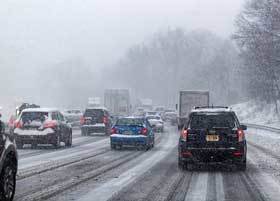
The low visibility or complete whiteout is extremely disruptive to traffic, making travel by any form of transport virtually impossible. It can bring a whole city to a standstill for the duration of the blizzard.
Blizzards can also destroy telephone lines. In modern times, this is less disruptive because of the adoption of cellular and satellite communication. Unfortunately, the strength of the storm can also damage communication infrastructure and severely disrupt cellular and satellite signals.
Conclusion
Although extreme and stormy weather conditions frequently occur in locations around the globe, not all of them qualify to be labeled a blizzard, as this article clearly illustrated.
It highlighted the conditions that define this extreme meteorological event, how it is formed, and its effect on human activity and the environment.
Until next time, keep your eye on the weather!